
Last updated October 15, 2026
 Whole-home duct cleaning
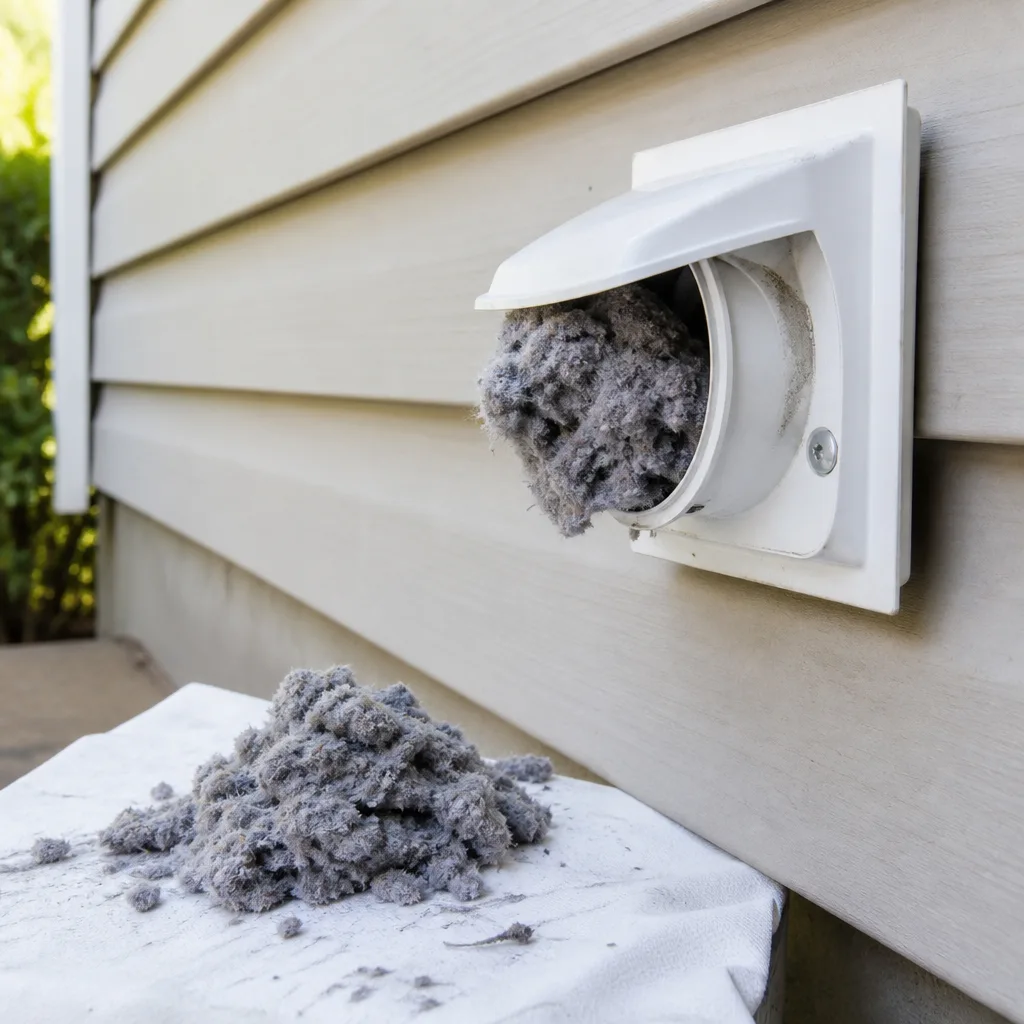 Dryer vent cleaning
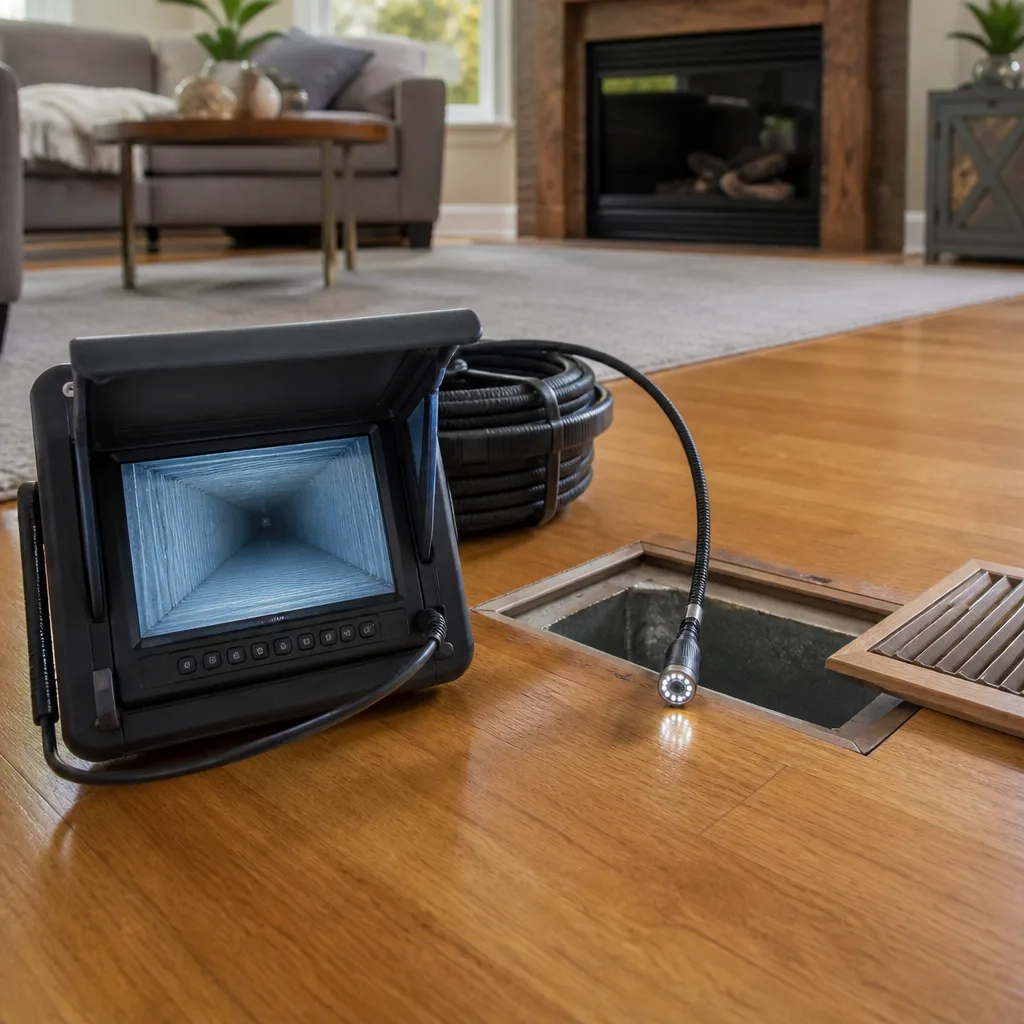 Camera inspection
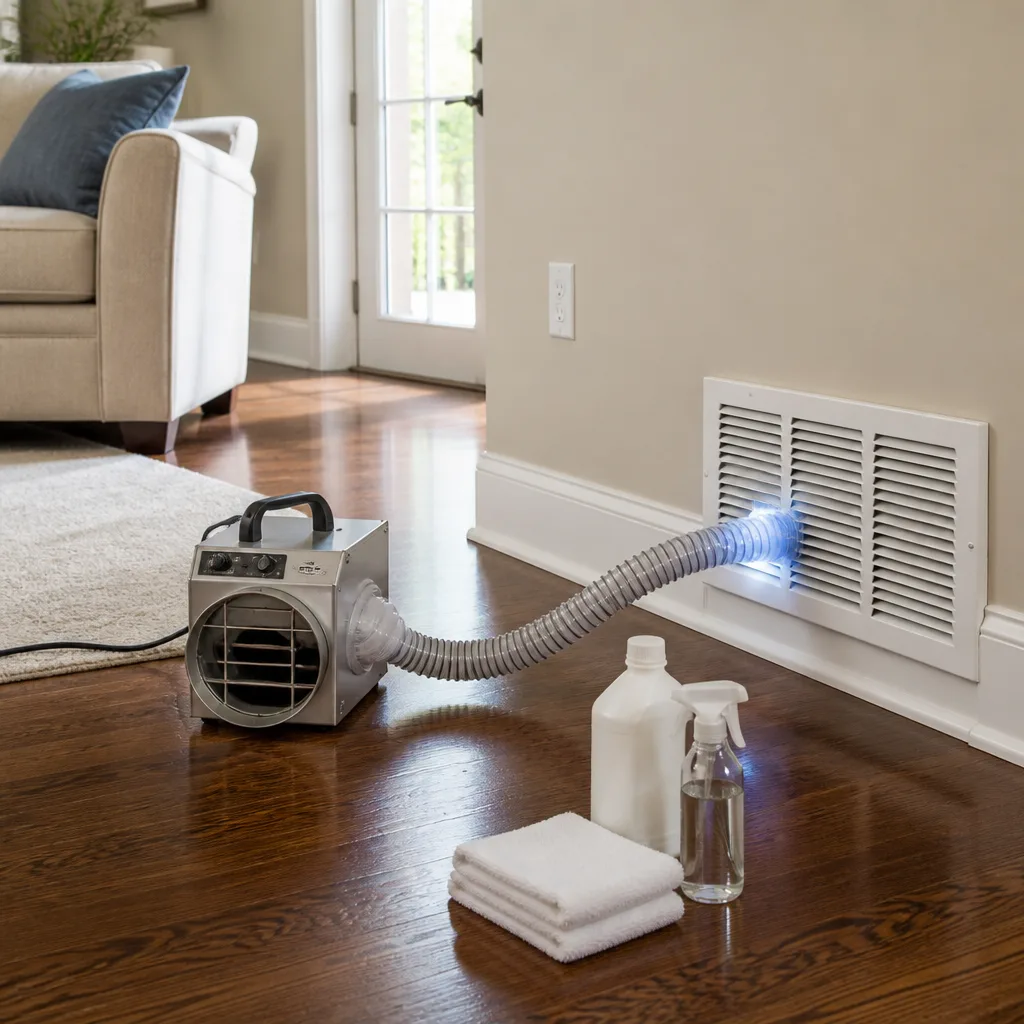 Sanitizing & deodorizing
Whole-system duct and dryer vent check with before-and-after photos - you see exactly what came out of your vents
That "$99 whole-house special" is a bait ad - the real number appears once they are in your hallway, or the "clean" is a shop-vac at the register. We photograph the inside of your ducts before and after instead.
Air Duct Cleaning Warning Signs: A Henderson Homeowner’s Reference Guide
Most duct cleaning articles hand you a list of vague symptoms and leave it at that. This one won’t. The Mojave Desert climate does specific things to the air moving through Henderson homes: fine silt from the dry lakebeds, construction dust from the new builds in Inspirada and Cadence, and the seasonal monsoon humidity that pushes dew points up just long enough to matter inside a duct system. In our 20-plus years offering our Air Duct Cleaning services in Henderson, we’ve learned that the difference between ducts that are simply dirty and ducts that are actively degrading your indoor air quality is visible, checkable, and predictable. Here’s what to look for, what each sign actually means, and when it’s time to call someone.
Quick Answer
The clearest warning signs that Henderson homeowners can check themselves in about 15 minutes are gray dust shadow lines around register covers, visible fiber or insulation material sitting on vent grilles, a persistent faintly oily or burning smell when the system first kicks on in October, and noticeably uneven airflow between rooms. Any one of these means a duct inspection is worth scheduling now; for more guides & resources on what to expect, see our blog. Mold-like growth at a register, water staining around vents, or a sudden dust explosion after a recent “cleaning” means you should call a contractor this week, not next month.
Styles & brands we work with
Table of Contents
- The 15-Minute Register Inspection
- Airflow Balance as a Diagnostic Tool
- That First Heating Cycle Smell: Normal or Not?
- Mold vs. Dust at the Register: Telling Them Apart
- Henderson Flag: Dust That Appears After a Duct Cleaning
- What the Inside of Your Ducts Actually Looks Like (And Why It Matters)
- Common Mistakes to Avoid
- When to Call a Professional
- Frequently Asked Questions
The 15-Minute Register Inspection
Grab a flashlight and a damp paper towel. Walk to the supply registers in your main living area, your primary bedroom, and whichever room sits farthest from the air handler. The registers themselves will tell you more in five minutes than a dozen online “symptom lists” ever will.
Gray dust shadow lines
Look at the wall or ceiling immediately around each register cover. If you see gray or tan streaking that radiates outward from the vent, following the airflow pattern, that’s not ordinary household dust. It’s particulate matter that has settled out of the air as it exits the register, and it usually means one of two things: the duct lining itself is shedding material, or the return side of your system is pulling unfiltered attic or crawlspace air into the airstream. In Henderson, where attics bake at 130°F-plus through the summer, flex duct linings degrade faster than in coastal climates. That gray shadow is often little bits of disintegrating duct liner. A routine cleaning can address the symptom (see The Complete Guide to Air Duct Cleaning in Henderson for details), but if the duct material itself is failing, it may point toward duct sealing or replacement sections.
Oily residue on the register blades
Run the damp paper towel across the top of a register blade. If it comes back with a brownish, slightly tacky film, that’s not dust. Dust is dry. That film is a combination of cooking oils, airborne grease, and the fine particulates that bind to them. It tells you that your return air path is pulling kitchen exhaust or candle soot back into the system. This is extremely common in Henderson homes with open floor plans where the kitchen sits within sight of the main return. The practical fix is twofold: cleaning the duct surfaces that have accumulated the film, and making sure your system’s filtration is actually doing its job. A standard 1-inch fiberglass filter isn’t. At minimum, and this is what we recommend on nearly every job we do in Henderson, upgrade to a MERV 8 or higher pleated filter, and have the duct surfaces cleaned with a negative-air machine rather than a shop vac.
Visible fiber material on the grille
If you see thin, wispy strands of pink, yellow, or white material sticking to the back of the register grille, that’s fiberglass insulation. It’s coming from somewhere it should not be: a separated duct joint, a gap in the plenum, or a deteriorating internal liner. This is not a “cleaning” problem; it’s an integrity problem. Schedule an inspection. Left alone, that material keeps migrating into the air your family breathes, and the gap it’s coming from is also pulling in attic air, which means you’re paying to condition air that never reaches your living space properly.
Airflow Balance as a Diagnostic Tool
The single most underused diagnostic in residential HVAC is simple: walk your home and feel the airflow. Not at the thermostat. At the registers.
Here’s the procedure we use on inspections, and you can do the same thing in about ten minutes:
- Turn the system fan to ON (not AUTO) at the thermostat. This gives you consistent airflow regardless of temperature settings.
- Walk to the room farthest from the air handler, typically an upstairs bedroom in a two-story Henderson home or a rear bedroom in a single-story.
- Hold a tissue or a single strip of toilet paper at the register. Note how far it deflects.
- Repeat in the room closest to the air handler.
- Compare.
If the farthest room moves the tissue half as much as the nearest one, that’s a pressure imbalance. It could be the equipment: an undersized blower, a dirty evaporator coil, a clogged filter. But if the filter is clean and the air handler is in reasonable shape, the restriction is usually in the ducts themselves. Disconnected or collapsed sections, kinked flex runs, or heavy debris accumulation all create resistance. In Henderson’s two-story homes, the long vertical runs to upstairs rooms are especially prone to collecting debris because the air slows as it climbs. The fix depends on what’s found: cleaning for debris, sealing for minor gaps, or duct repair for separated or crushed sections.
One more Henderson-specific note: if you notice that rooms on the east side of your house always feel warmer in the afternoon even with the system running, that’s as much about solar gain as it is about airflow. The walls and windows on the east-facing side absorb direct afternoon heat. Before you blame the ducts, close your blinds during peak sun hours and re-test. If the imbalance persists at night, that’s a duct problem, not a window problem.
That First Heating Cycle Smell: Normal or Not?
Every October in Henderson, the first cold snap arrives and thousands of furnaces across Green Valley, Anthem, and MacDonald Ranch fire up for the first time in eight months. A certain amount of smell is normal. The question is what kind.
Normal burn-off: A faintly dusty, warm smell that lasts a few hours and then disappears. This is dust that has settled on the heat exchanger and the interior surfaces of the furnace burning off. It’s harmless and it goes away.
Not normal: A smell that resembles burning plastic, an electrical hot smell, or something acrid that makes your eyes water. This can indicate melted wiring, a failing blower motor, or plastic debris that has fallen into a register and reached the heating element. Shut the system off and call an HVAC contractor. This is not a duct cleaning issue; it’s a mechanical issue.
Persistent musty or damp smell: If the heat kicks on and you smell something that reminds you of a damp basement or old laundry, that’s moisture-related. In Henderson, this typically comes from one of two places: a clogged condensate drain line that’s backing up into the evaporator area, or moisture that has entered the ducts through a roof leak, a plumbing leak, or condensation from an uninsulated duct run in a hot attic. The smell means microbial growth is present somewhere in the system. The ducts need to be inspected, and if growth is confirmed, cleaned with a proper antimicrobial process. This won’t fix itself.
Mold vs. Dust at the Register: Telling Them Apart
Homeowners see dark spotting around a register and immediately think mold. More often than not in Henderson, it’s something else. The desert air is dry enough most of the year that true mold colonization inside ductwork is far less common here than in humid climates, though it absolutely does happen, especially around evaporator coils and in homes with chronic condensate drainage problems.
Here’s the practical way to tell the difference without a lab:
- Dust accumulation wipes away cleanly with a damp cloth and leaves no staining. It’s gray-tan, uniform, and sits on top of the surface. It returns within weeks after cleaning if airflow patterns haven’t changed.
- Mold growth typically appears as dark green, black, or brown spots that don’t wipe away cleanly. It leaves a stain behind. It often has a slightly fuzzy texture when viewed up close. It doesn’t go away on its own.
- Ghosting or thermal tracking, which is dark staining around a register caused by soot or dust particles sticking to condensation on the wall surface, looks like mold but is actually just particulate buildup. It wipes away, sometimes leaving a slightly gray residue on the wall paint.
If you can’t tell by looking, or if you wipe it and it comes back in the same exact spots within days, stop guessing. Schedule a professional inspection. A reputable contractor should be able to take a swab sample and have it tested, or at minimum give you an honest visual assessment. Be wary of any company that confirms mold over the phone without looking. You can’t diagnose what you can’t see. Our Air Duct Cleaning in Henderson inspections always include a register-level and access-panel-level visual check, and we’ll tell you plainly if what we’re seeing is dust, mold, or just ghosting.
Henderson Flag: Dust That Appears After a Duct Cleaning
Here’s a scenario we hear regularly from Henderson homeowners who call us after trying another company, often after following DIY vs Professional Air Duct Cleaning: The Henderson Homeowner’s Decision Guide advice too late: their ducts were “cleaned” a week ago, and now the entire house is dustier than before. Furniture looks hazy within days. Allergies flare. They pick up a dust rag twice as often.
That’s not normal. A properly executed duct cleaning should leave your house at least as clean as it was, usually cleaner. What that homeowner is almost certainly experiencing is a cleaning that was performed with improper negative pressure technique, or worse, with no negative pressure at all.
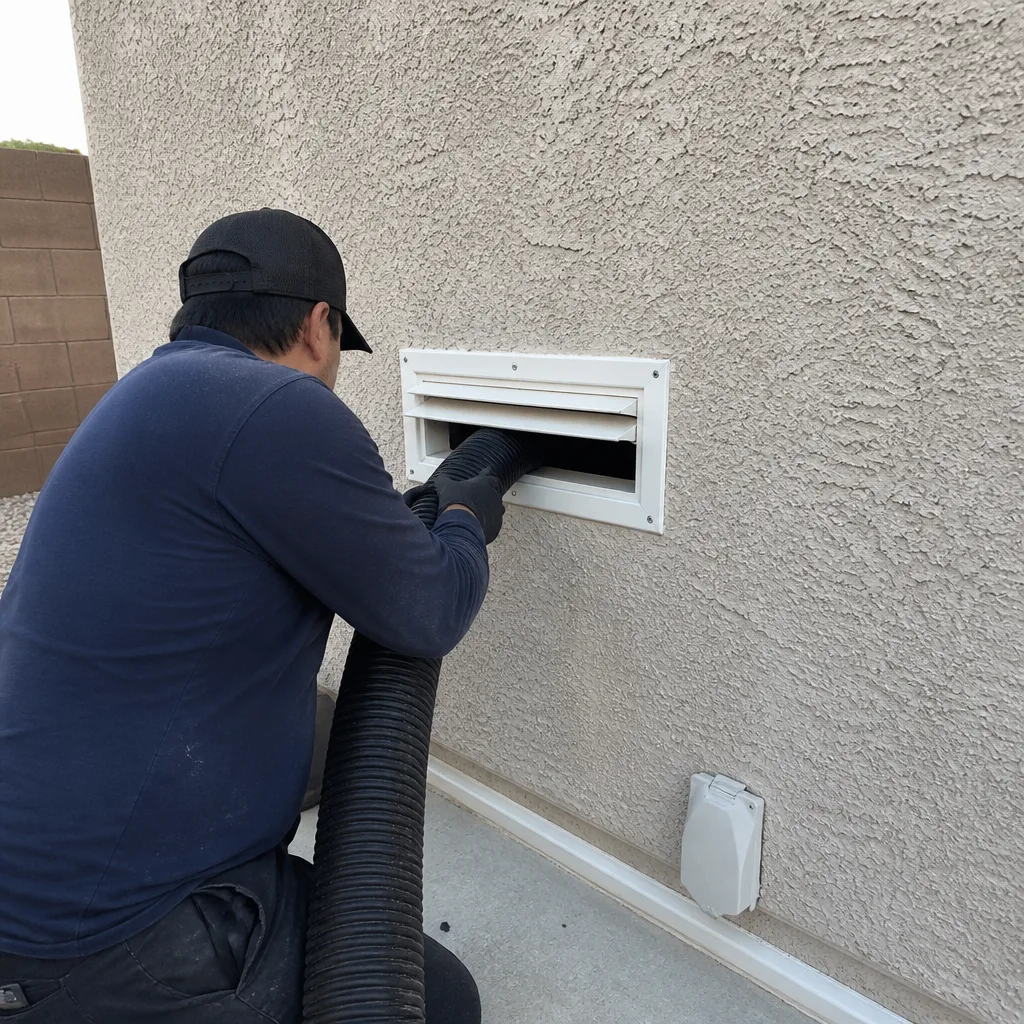
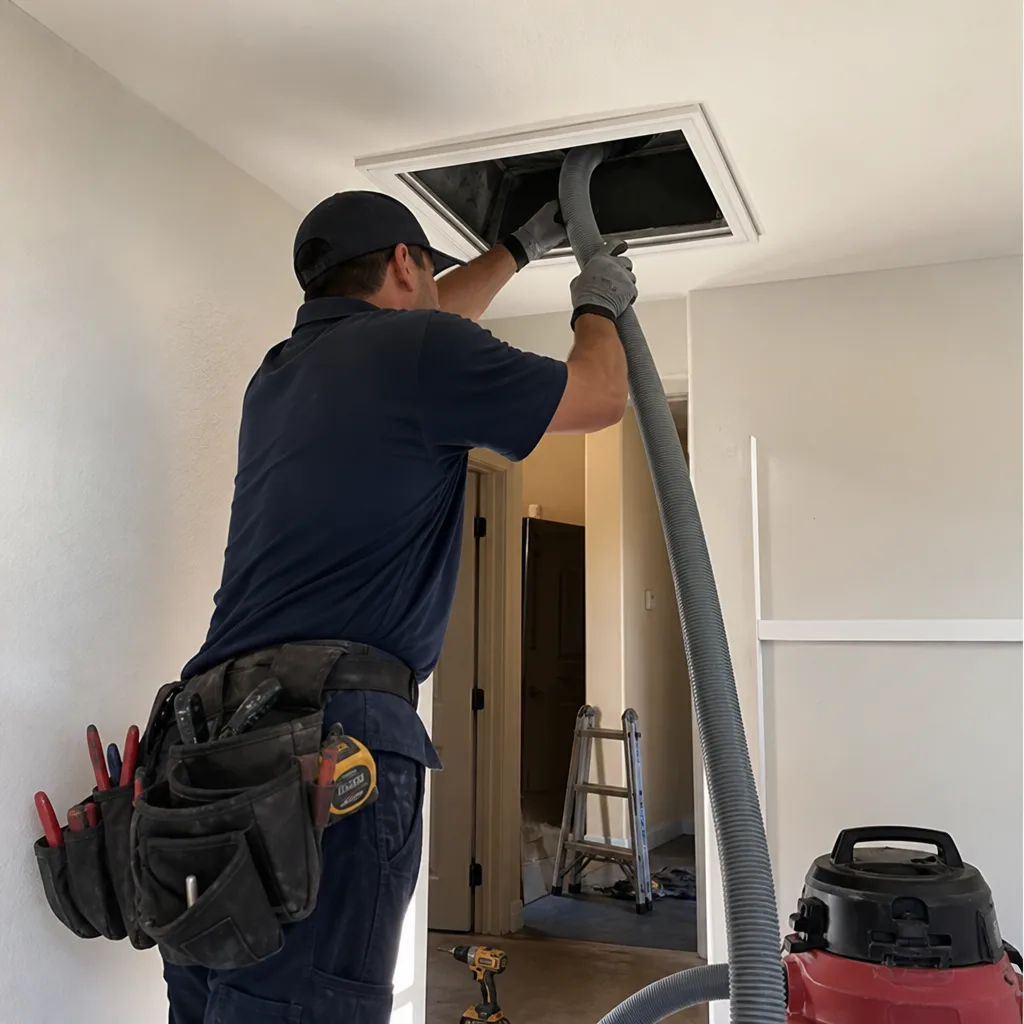
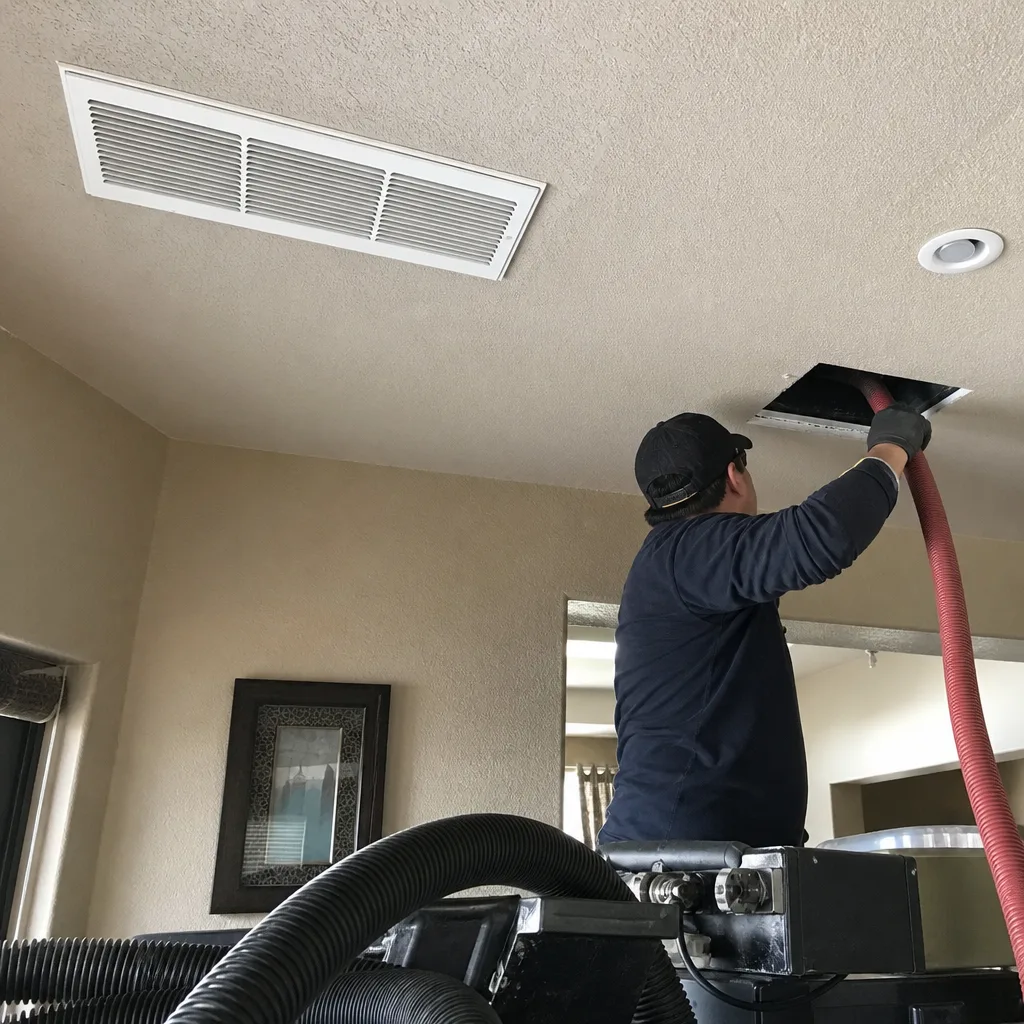
Let us explain the terms, because this is where the trade separates into two camps. A proper duct cleaning uses a negative-air machine, which is a large vacuum unit connected to the duct system to create continuous suction while agitation tools loosen debris from the duct walls. The machine pulls the loosened material out of the system and through a HEPA filtration unit before it can escape into your living space. Brands like Nikro and Abatement Technologies make the commercial-grade units that do this correctly. The alternative, and the source of most horror stories, is a company that runs a brush or whip through the ducts with no vacuum running, or with a shop-vac connected to a single register. The loose debris gets stirred up and then simply settles back down once the system turns on. The company leaves, and three days later your house looks like a dust storm blew through.
If you paid for a duct cleaning and the result was more dust, you have a legitimate beef. Call the company back and ask them to explain their process. Ask specifically whether they used a negative-air machine and what kind of filtration it had. If they can’t answer those two questions clearly, request a re-clean or a refund. In our experience, the companies that cut corners on negative pressure also cut corners on everything else. This is exactly why our Hollis Air Duct Henderson home standard is built around written price, written process, and a written guarantee: the 365-Day Done Right Promise covers every job we do in Henderson, and if the work isn’t right, we come back.
What the Inside of Your Ducts Actually Looks Like (And Why It Matters)
Most Henderson homeowners have never seen the inside of their ductwork. The contractor built the house, the county inspected the framing and the electrical, and the ducts went in unseen. But after a decade or two, the inside of an average Henderson duct system looks less like a smooth pipe and more like the floor of a warehouse.
Here’s what we typically find during a Duct Sealing in Henderson inspection, in order of frequency:
1. Fine silicate dust
Henderson sits in the Mojave Desert. The soil here is high in silicates, and construction has been nearly continuous since the early 2000s. That fine particulate finds its way into return air paths, through the filter, and into the supply ducts. It’s typically tan or gray and settles in the bottom third of horizontal runs. This is the most common finding and the most easily addressed with a thorough cleaning.
2. Drywall and construction debris
Even in homes built well, a surprising amount of construction material ends up inside ductwork: drywall dust, sawdust, stray screws, insulation scraps, even empty soda cans. If the original builder didn’t seal the ducts during construction, they became trash chutes. We find this in roughly a third of Henderson homes we clean.
3. Pet hair and dander
Henderson’s master-planned communities are full of dogs: Labs, goldens, German shepherds. Much of that hair ends up in the return ducts, where it mats together and becomes a filter clogging the airflow. If you have shedding pets and your system has been in place for more than five years, it’s time for an inspection.
4. Pest evidence
Rodents love ductwork. It’s dark, warm in winter, cool in summer, and protected from predators. We see droppings, nesting material, and occasionally carcasses in attic duct runs. If you hear scratching sounds in your ceiling near the ducts, that’s a pest control issue first and a duct cleaning issue second. Don’t clean around an active infestation; eliminate the pests, then clean and seal the ducts.
The cleaning method matters here. We use rotary brush systems from Rotobrush and negative-air machines from Nikro and Abatement Technologies, the same class of equipment commercial building engineers require. The rotary brush does the actual scrubbing; the negative-air machine ensures the dislodged debris leaves the building instead of entering your living room. A filter upgrade to a Honeywell or Aprilaire media cabinet can then keep the system cleaner far longer than a standard 1-inch filter ever will.
Common Mistakes to Avoid
- Assuming a dusty house means dirty ducts. A dusty house often means a leaky return path or a failed filter, not necessarily dirty supply ducts. Diagnose before you pay to clean. A proper inspection tells you where the dust is actually coming from.
- Replacing the filter and calling it done. A new filter catches new debris. The debris already inside the ducts doesn’t care that you changed the filter. If your system smells musty or your registers show shadow lines, the ducts themselves need attention.
- Hiring on price alone. A $99 whole-house duct cleaning in Henderson is a bait-and-switch waiting to happen. Ask what the price covers, what equipment they use, and whether they use negative-air. If the answers are vague, walk away.
- Cleaning the ducts without addressing the underlying problem. If your ducts are full of debris because the return is pulling attic air, cleaning alone won’t stop the problem. You need duct sealing, not just cleaning.
- Ignoring the dryer vent while you’re at it. The dryer vent is a separate system, but it’s part of the same indoor air picture. A clogged dryer vent forces lint-laden moisture into the laundry area and wastes energy. We cover this in our Dryer Vent Cleaning in Henderson service, and it’s worth checking annually here in Henderson, where fine desert dust accelerates lint buildup.
- Panicking over dark register walls and calling for mold remediation sight unseen. Most dark staining near registers in Henderson is ghosting, not mold. Before you authorize a multi-thousand-dollar remediation, have a professional look at it. The answer might be a simple cleaning.
When to Call a Professional
There are warning signs you can check yourself, and then there are conditions that demand professional attention. Call a contractor this week if you see visible mold at a register, if the airflow in one room has dropped noticeably, if you smell burning plastic when the system runs, or if you come home to a dust film on every surface that appeared after a supposedly completed duct cleaning. These are not normal conditions and they don’t improve on their own.
For everything else, don’t guess. A proper duct inspection in Henderson takes about 60 to 90 minutes, and a reputable company will tell you honestly whether a cleaning is needed or whether the problem lies with the equipment, the filter, or the building envelope. Hollis Air Duct Henderson offers free estimates in Henderson; call (775) 383-5847 and we’ll inspect, explain exactly what we’re seeing, and put the price in writing before any work starts. No pressure, no vague promises, just straight answers.
Frequently Asked Questions
For a typical single-family home in Henderson, professional air duct cleaning runs between $400 and $800, depending on the size of the system, the number of registers, and the level of contamination present in the ducts. Homes that have never been cleaned, especially those built before 2010 in neighborhoods like Green Valley Ranch or Whitney Ranch, tend to run toward the upper end of that range because the debris load is heavier. Be suspicious of any quote under $300: a proper cleaning requires negative-air equipment and at least a full afternoon of work. Call (775) 383-5847 for an exact quote; estimates are free and the price is written down before any work begins.
Cheap duct cleaning quotes almost always mean one of two things: the company is not using a negative-air machine, or the advertised price is a teaser that will balloon once the technician is inside your home. A proper cleaning requires equipment that costs tens of thousands of dollars: a rotary brush system, a negative-air machine with HEPA filtration, and the training to use both without damaging the ducts or coating your house in dust. If someone offers a $99 whole-house cleaning, they’re either not doing the work they’re describing or they’re going to upsell you aggressively once they arrive. The written price is the price at Hollis Air Duct Henderson, and it does not move at the door.
A reputable company will document the job. Ask for before-and-after photos of the inside of your ducts, taken through the access panels or register openings. The difference is usually dramatic: a tan, debris-laden duct becomes a clean metal or flex surface. The photos are the proof. If the company won’t or can’t provide them, that’s a red flag. Every Hollis Air Duct Henderson cleaning includes photographic documentation, and the 365-Day Done Right Promise is in writing. If anything isn’t right, we come back at no charge.
For most Henderson homes, every three to five years is realistic. The factors that accelerate the timeline are shedding pets, homes near construction sites (which describes much of Henderson’s west side right now), households with smokers or frequent candle use, and systems with leaky return ducts that pull attic or garage air. If you’ve just completed a renovation, clean the ducts afterward regardless of the calendar. Drywall dust is abrasive and circulates through the blower motor if it isn’t removed.
Your registers are the visible 1 percent of a system that runs through your attic and walls. The interior of the ducts accumulates debris that never appears at the register, especially in long horizontal runs where air velocity drops and particulate settles. If your home was built more than a decade ago, you’ve never had the ducts inspected, and you run a standard 1-inch fiberglass filter, the answer is likely yes. An inspection will tell you for certain.
Duct cleaning removes accumulated debris from the interior surfaces of the duct system. Duct sealing closes the gaps, cracks, and separated joints that allow conditioned air to escape into the attic and unfiltered attic air to enter the system. They’re different procedures, and they address different problems. Many Henderson homes need both, especially older homes where flex duct connections have separated over time. The two services are often done together for maximum benefit.
The Bottom Line
Henderson’s desert environment, construction activity, and seasonal temperature swings mean your duct system is working against conditions most of the country never faces. The warning signs are checkable in 15 minutes: gray shadow lines at registers, oily residue, visible fibers, airflow imbalances between rooms, and smells that don’t belong. Trust what you see, and don’t let a low price talk you out of your own judgment. A proper duct inspection answers the question definitively, and a proper cleaning, done with the right equipment, solves the problem instead of moving it around. If you’re seeing any of the signs in this guide, call (775) 383-5847 and we’ll take an honest look.
Written by Roy Castellanos, Owner at Hollis Air Duct Henderson, serving Henderson since 2004.
See the difference
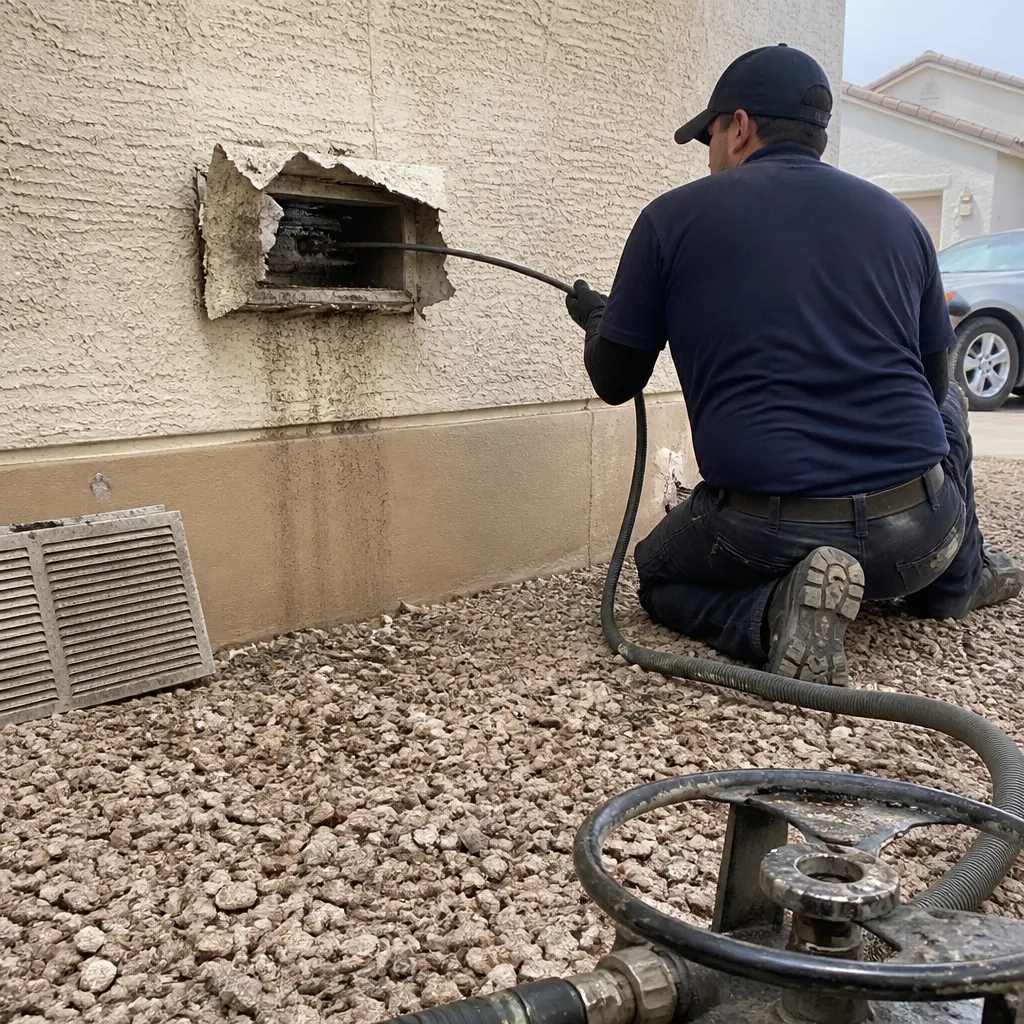 Before
 After
After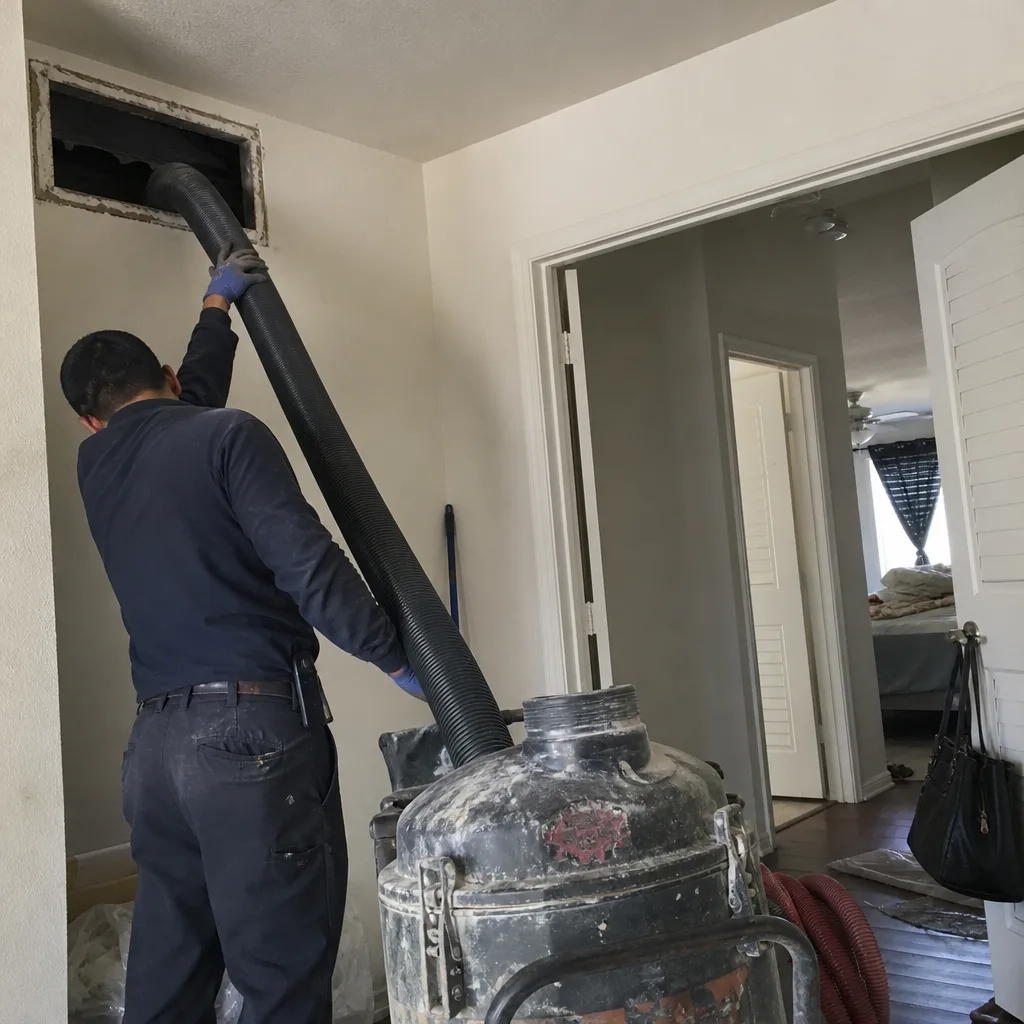 Before
 After
After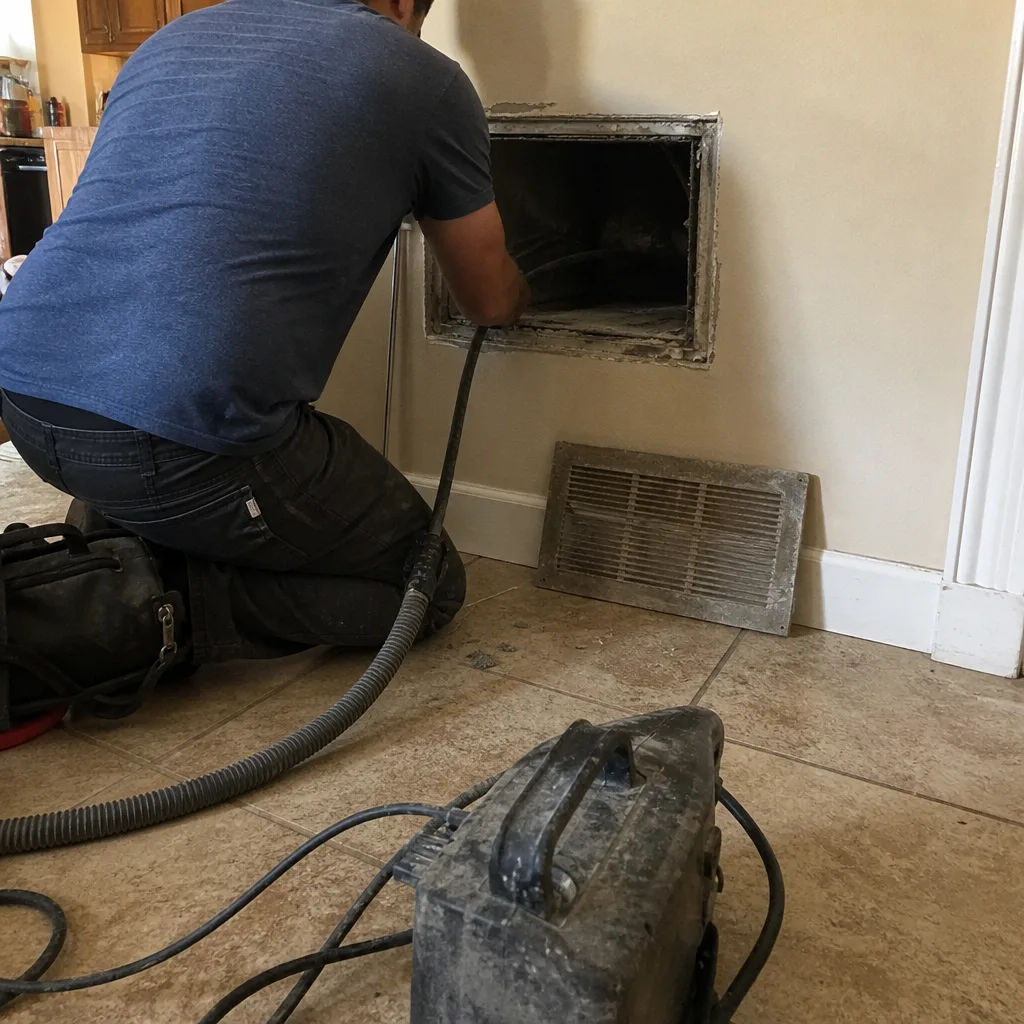 Before
 After
After